
By Steve Sucato
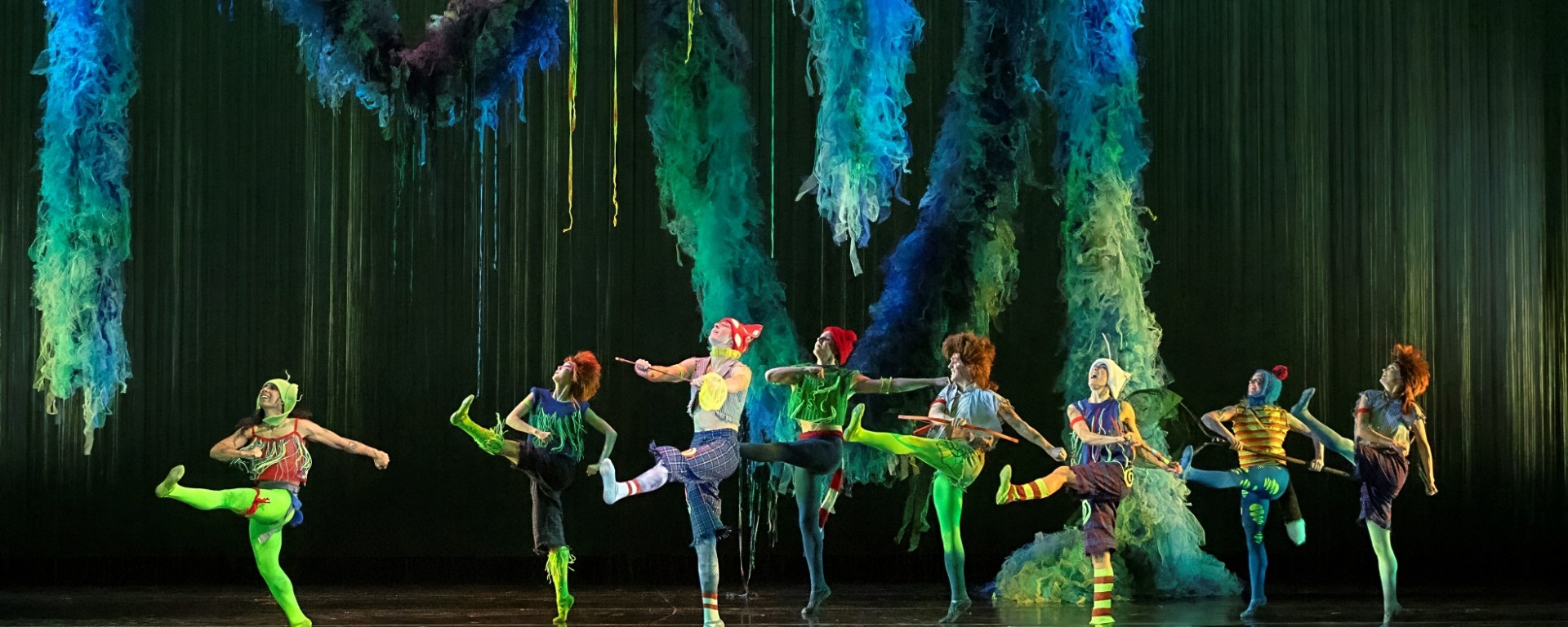
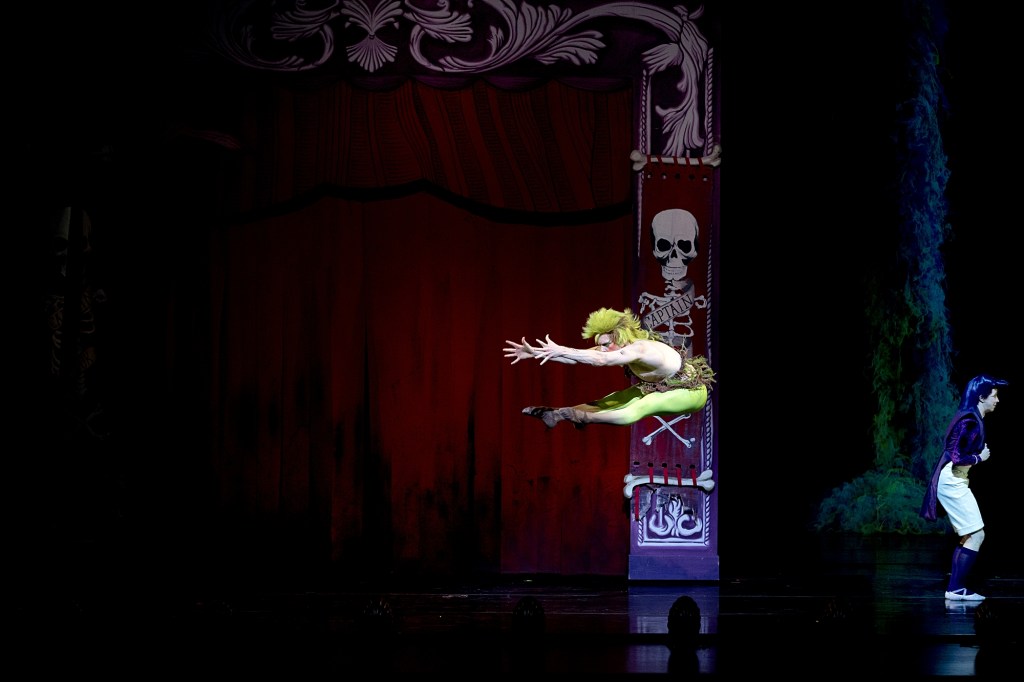
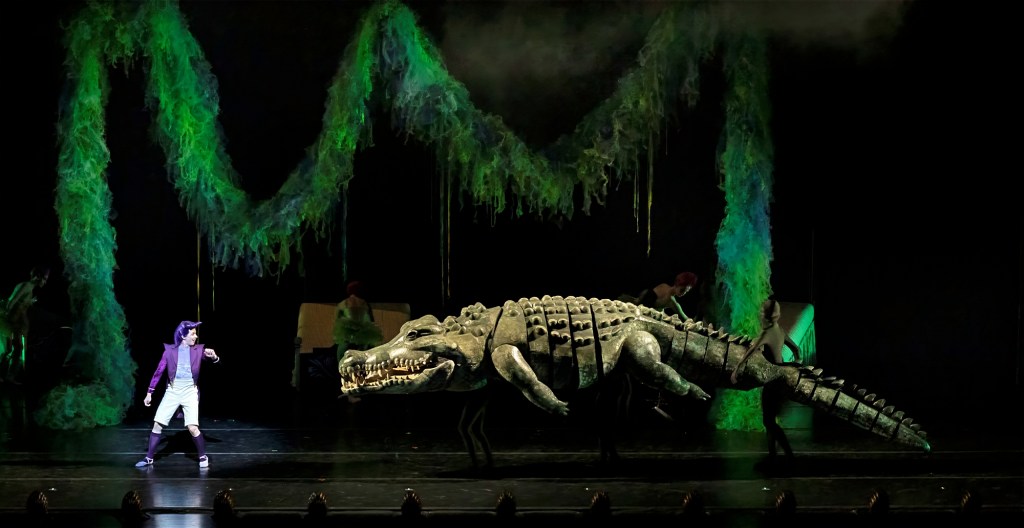
Columbus, Ohio-based BalletMet will whisk audiences off to Neverland this Valentine’s Day weekend, February 13-15, in a brand new adaptation of choreographer Trey McIntyre’s 2002 ballet, Peter Pan.
Based on J.M. Barrie’s beloved early 20th century tale about Peter Pan, a boy who never grows up, and his adventures with Wendy Darling and her siblings, Captain Hook and his pirates, Tinkerbell and her fairies, and the Lost Boys in fantastical Neverland.
Co-produced by BalletMet in partnership with Nevada Ballet Theatre and Texas Ballet Theatre, this new 2-hour reworking of the ballet streamlines the original three acts to two and features all-new sets and costumes by award-winning designer Emma Bailey, best known for her work on Six: The Musical. I spoke with McIntyre about the genesis of this new production, his approach to it, and the other significant changes to the 2002 original.
How did the decision to create a new adaptation of your 2002 Peter Panproduction come about?
I had been in the back of my mind for a few years after the original production premiered. There was so much interest by other companies wanting to program it, but that Houston Ballet production was so ginormous, it was too much for many. I wanted a version that could fit into theaters of different sizes for companies of different sizes.
Beyond the ballet’s shortened length and its new sets and costumes, what changes have you made to your 2002 original?
For me, the editing focused more on streamlining the plot. Twenty-five years ago, audiences seemed more willing to sit through 3-acts; today, not so much. I really enjoy the new version; it zips along while remaining true to my original.
You described your Peter Pan character as a grubby, feral boy and Hook as a narcissistic egomaniac who, like Peter, hasn’t moved past childhood. Other than the Mad Max movie look to the ballet, how would you describe your approach to Neverland?
I think Peter Pan is that part of us that we retain as our true nature. As we grow older, we take on responsibilities, people count on us, and we start to believe that all those things we do to be an adult are, in essence, who we are. In fact, we are all these unlimited people, and that boundless imagination a child innately has is still within all of us. Neverland is that playland we can step back into and re-experience what it was like to be a child, knowing that anything is possible without the constraints of adulthood. Any performance does that. It pulls us back into that unlimited creative space. Peter Pan deals with it as a subject matter most directly.
Does your ballet’s story revolve around Wendy Darling?
Yes. I really think it is her story of very consciously choosing between unlimited youth and the experience of becoming a grown-up.
Have you added any new characters?
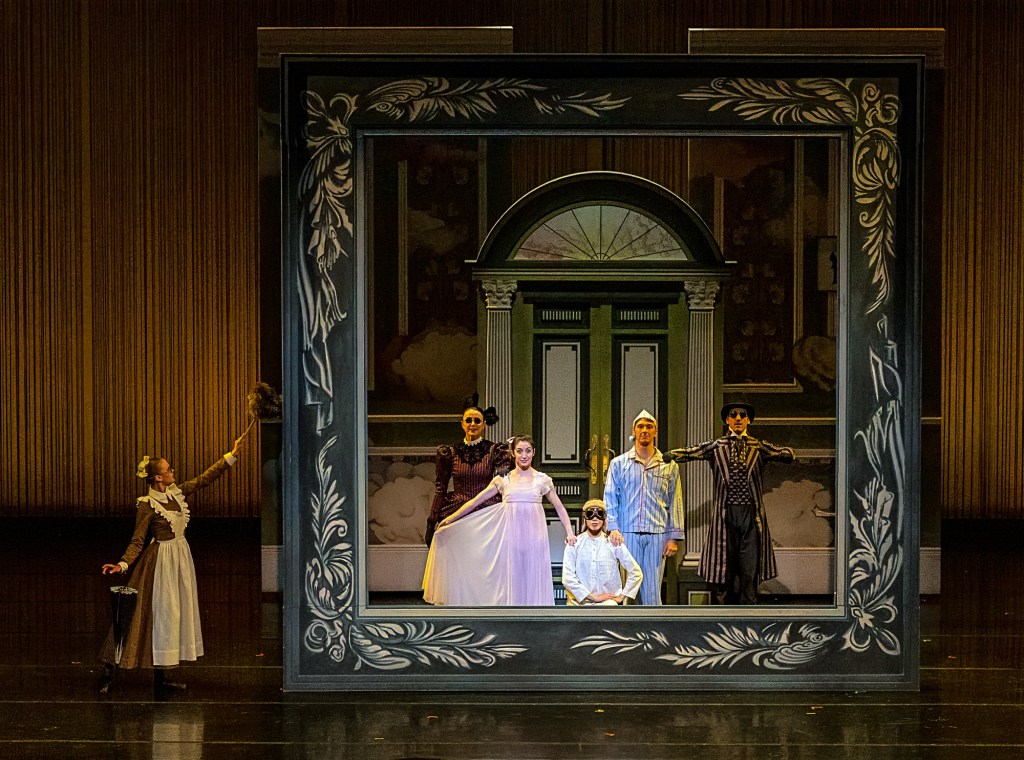
J.M. Barrie’s book is rich in backstory, and one thing I pulled out was the origin story of the Lost Boys and how they had fallen out of their perambulators and got swept away. At the beginning of the ballet, I added these giant nurse characters, and one of the carriages is left unattended for one of the infants to fall out and become a Lostboy. Also, Hook has a son in this production. He has a child version of himself that underscores Hook’s desire to control childhood, and like Wendy, he is deciding whether to stay a kid forever or grow up like the pirates around him.
Were there any characters you took out?
I took out the “redskins,” characters from the original that I had never been satisfied with choreographically. They went from being focused on Native Americans to being actual red people who lived in the red rocks of Neverland, and then recently were moth creatures. I don’t miss them.
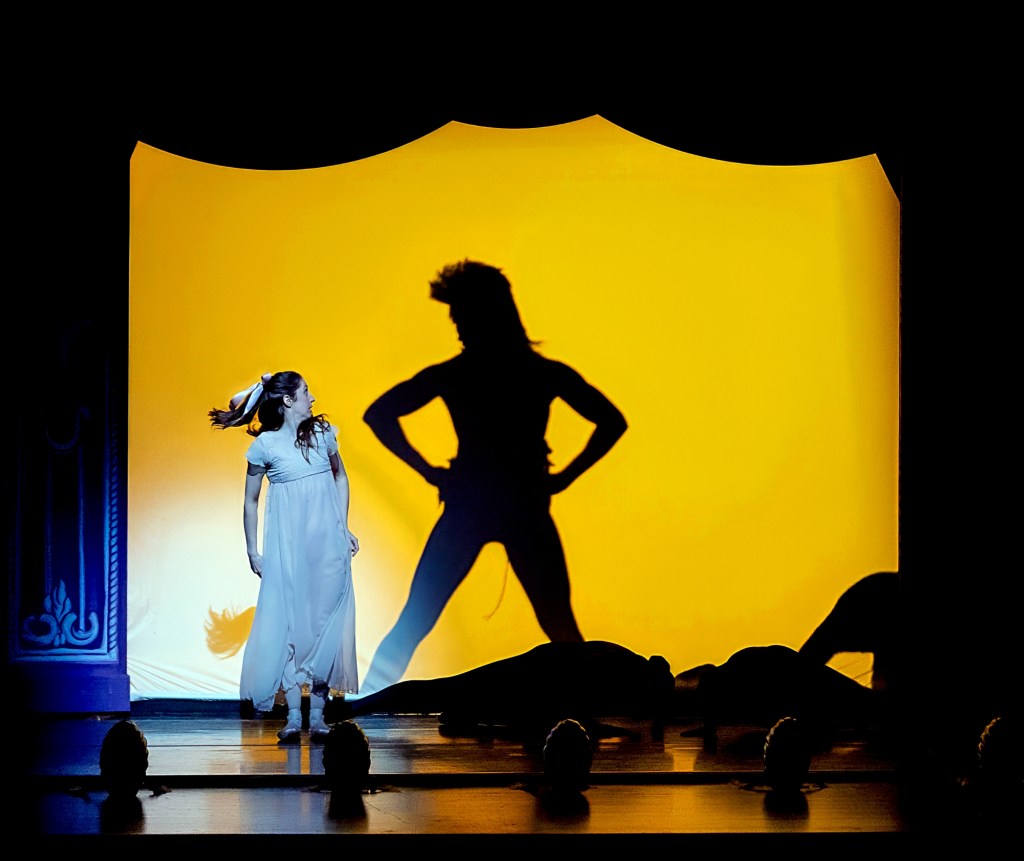
Disney turned Tinker Bell into one of the most recognizable and popular characters in the Peter Pan story; however, in many ballet productions, she makes only a token appearance. How are you handling the character?
She is more of a dance character and shows up as a light for much of the ballet. She is featured in a dance of the fairies, leading the ensemble.
The production is set to music by Edward Elgar, a British composer active around the time Barrie wrote Peter Pan. What drew you to his music?
There was so much music to choose from. That helped in finding missing puzzle pieces in the music as the story was being put together. In many ways, I let the music dictate what the story would end up being. For this new version, we added and subtracted music from the score.
Does this version retain the original level of aerial work?
Yes, there is a lot of complex flying.
How many dancers are in it?
[Jokes] Everybody, including the janitor. It’s huge.
BalletMet is the last of the three producing companies to perform the ballet. Have you made any changes to it along the way?
For sure. One of the key goals was to make this production as accessible as possible. Tweaks have been made toward that goal.
BalletMet performs Peter Pan, Friday, February 13, 2026, at 7:30 p.m., Saturday, February 14, 2026, at 2 p.m. and 7:30 p.m, and Sunday, February 15, 2026, at Noon and 5:30 p.m. Ohio Theatre, 39 E State St, Columbus, OH 43215. Ticket prices range from $42.65 to $107.75 and can be purchased online at balletmet.org or at the CAPA Ticket Center (39 E. State St.). To purchase tickets by phone, call (614) 229-4848.

 artsair.art